Research Scientist III · University of Arizona

Samarjith
Biswas

Pioneering topological acoustics and quantum-inspired technologies at the NSF-funded New Frontiers of Sound Center. Transforming how we harness sound for computing, telecommunications, and environmental sensing.

PhD Mechanical & Aerospace Engineering · US Patent Holder · NASA Collaborator

Samarjith Biswas
PhD Mechanical & Aerospace
US Patent WO2025128348A1
7+ Years Research Experience
NASA Langley Collaboration

Innovation in Action

Engineering Acoustic Intelligence & Quantum Frontiers

Mechanical & Aerospace Engineer and Research Scientist with over 7 years of experience specializing in AI-driven acoustic metamaterial design, topological acoustics, thermoacoustic systems, quantum analogies in acoustics, RF device engineering, and neural network-optimized acoustic metastructures.

I am a Research Scientist at the University of Arizona's New Frontiers of Sound (NewFoS) Science & Technology Center, an NSF-funded multi-institutional research hub. My work sits at the intersection of topological acoustics, quantum-inspired systems, and AI-driven computational simulation.

I hold a PhD in Mechanical & Aerospace Engineering from Oklahoma State University with a proven track record of successful NASA collaborations on Thermoacoustic Metastructures (TAMS). Expert in advanced computational modeling using COMSOL Multiphysics, ANSYS, DeltaEC, and AI frameworks including TensorFlow, PyTorch, and physics-informed neural networks (PINNs).

My research demonstrates the ability to translate complex AI-acoustic research into practical aerospace, semiconductor, telecommunications, and energy applications. I collaborate with leading institutions including Caltech, UCLA, Georgia Tech, UC Boulder, CUNY, Wayne State, Spelman College, and University of Alaska-Fairbanks.

Recognized leader in mentoring next-generation engineers (7+ researchers mentored) and fostering innovation through cross-disciplinary collaborations spanning mechanical engineering, aerospace engineering, and artificial intelligence domains.

"The only way to discover the limits of the possible is to go beyond them into the impossible."
— Arthur C. Clarke

75% Design Iteration Time Reduction
40% Manufacturing Cost Reduction
25% Performance Improvement
$300K+ Facility Management
Tucson, AZ · Available for domestic & international relocation

Current Research Areas

Leading breakthrough research at the $30M NSF-funded NewFoS Science & Technology Center, developing next-generation acoustic technologies that bridge classical sound waves and quantum mechanics.

01 · Featured Research

Dynamic Topological Acoustics

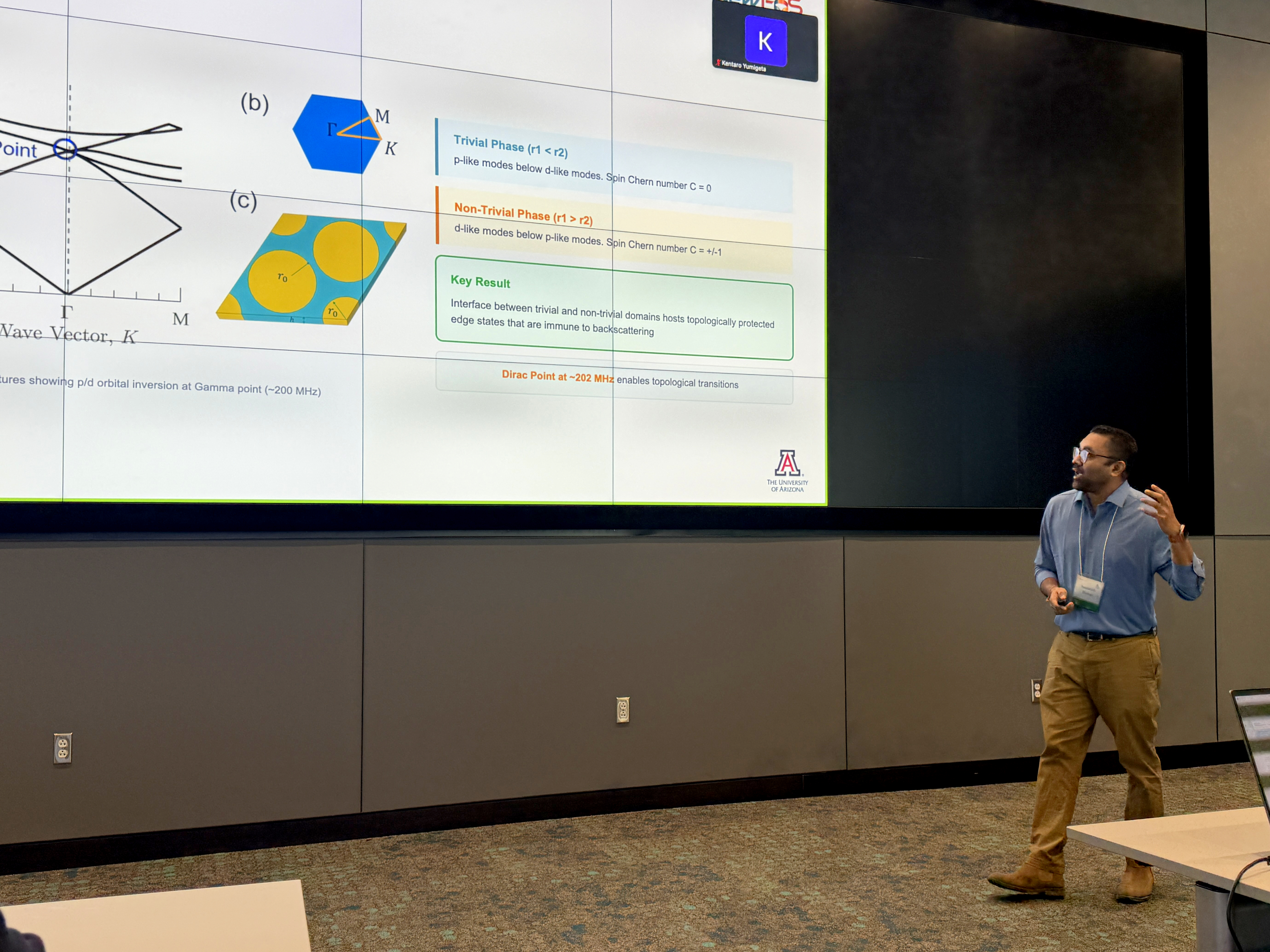
Pioneering research on GST (Ge2Sb2Te5) phase-change materials that enable frequency-selective wave routing without geometric reconfiguration. My work demonstrates anti-resonance driven directional wave propagation, where specific frequencies create unidirectional transport while others enable bidirectional propagation.

This research establishes a new paradigm for reconfigurable phononic systems by leveraging the reversible crystalline-to-amorphous phase transition in GST. Unlike traditional approaches requiring physical modification of lattice geometry, our PCM-based method achieves dynamic tunability through thermal or electrical stimuli, enabling real-time control of acoustic wave pathways at frequencies up to ~200 MHz.

~200 MHzOperating Frequency
GST PCMPhase-Change Material
NewFoSNSF Center
Phononic CrystalsEdge StatesDirac ConesPCM MaterialsWave Routing
02 · Quantum Information

Quantum Analogies for QIS

Developing robust acoustic qubits using topologically protected edge states operating at room temperature—eliminating the need for expensive cryogenic cooling systems that currently limit quantum computing accessibility.

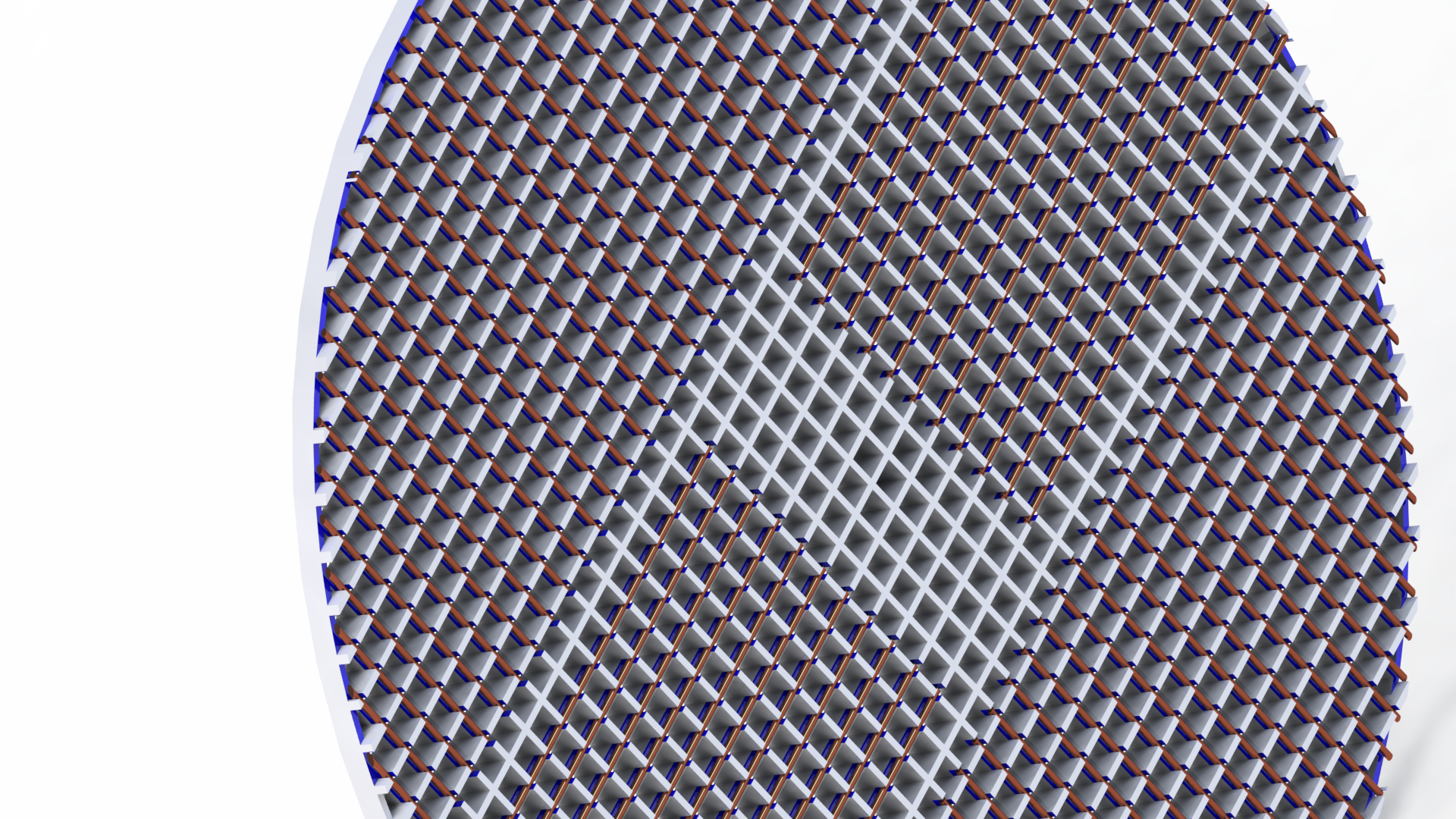
Our approach exploits the mathematical equivalence between acoustic wave propagation in phononic crystals and electron behavior in quantum systems. By engineering Su-Schrieffer-Heeger (SSH) model analogs in mechanical lattices, we create protected edge modes that are inherently immune to backscattering from disorder and defects—a critical requirement for maintaining quantum coherence.

This classical-to-quantum mapping enables proof-of-concept demonstrations of topological phenomena at macroscale before transitioning to true quantum implementations, dramatically reducing development costs and accelerating the path to practical quantum devices.

300KRoom Temperature
SSH ModelTopological Framework
ZeroCryogenic Required
Phononic CrystalsEdge StatesAcoustic QubitsRoom-Temp QuantumSSH Model
03 · RF Engineering

Topological RF Devices

Creating one-way acoustic waveguides for next-generation 5G/6G telecommunications with 75% faster AI-driven optimization cycles. Our Surface Acoustic Wave (SAW) devices leverage topological protection to achieve unprecedented signal isolation and frequency selectivity.

Traditional RF filters suffer from crosstalk and signal degradation at high frequencies. By implementing topologically protected channels in piezoelectric substrates, we create filters with sharp frequency cutoffs and minimal insertion loss—critical for the dense spectrum allocation required by emerging 6G standards.

Our AI-accelerated design pipeline combines physics-informed neural networks with high-throughput COMSOL simulations, reducing the typical 6-month design cycle to under 6 weeks while achieving performance metrics that exceed conventional approaches by 15-20%.

5G/6GTarget Applications
75%Faster Design
SAWDevice Platform
5G/6GRF FiltersSAW DevicesAI OptimizationPiezoelectric
04 · Computational Methods

AI & Machine Learning

Implementing physics-informed neural networks (PINNs) achieving 75% reduction in design iteration cycles for complex metamaterial systems. Our deep learning frameworks encode fundamental physical laws directly into network architectures, ensuring physically consistent predictions.

Traditional finite element simulations for phononic crystal optimization require hours per configuration. Our neural surrogate models, trained on carefully curated datasets from COMSOL Multiphysics, deliver real-time predictions with less than 3% error relative to full-physics simulations.

Beyond acceleration, our AI systems enable inverse design—specifying desired acoustic properties and automatically generating optimal geometries. This capability has produced novel metamaterial configurations that human designers would not have conceived, pushing beyond conventional design spaces.

75%Faster Iteration
<3%Prediction Error
Real-timeInference Speed
PINNsTensorFlowPyTorchInverse DesignNeural Surrogates

Emerging Frontiers

Pushing the boundaries of computing, AI, and space technology through interdisciplinary research and innovation.

LIVE 3D

Physical AI

Vision-Language-Action models bridging artificial intelligence with embodied robotics. Humanoid systems that perceive, reason, and act in the real world.

VLA Models Robotics NVIDIA GR00T
Explore Documentary →
LIVE 3D

Neuromorphic Computation

Brain-inspired silicon architectures utilizing spiking neural networks. Ultra-low power computing mimicking biological neural dynamics.

SNN Intel Loihi Event-Driven
Explore Documentary →
LIVE 3D

Orbital Computation

Space-based computing infrastructure leveraging orbital mechanics. Distributed processing systems beyond Earth's atmosphere for next-gen applications.

LEO Systems Satellite Networks Edge Computing
Explore Documentary →
LIVE 3D

Space Data Centers

Revolutionary concepts for deploying data center infrastructure in space. Leveraging vacuum cooling and solar power for sustainable hyperscale computing.

Thermal Management Solar Power Hyperscale
Explore Documentary →

Featured Projects

Pioneering breakthroughs in topological acoustics, quantum analogies, and sustainable energy solutions.

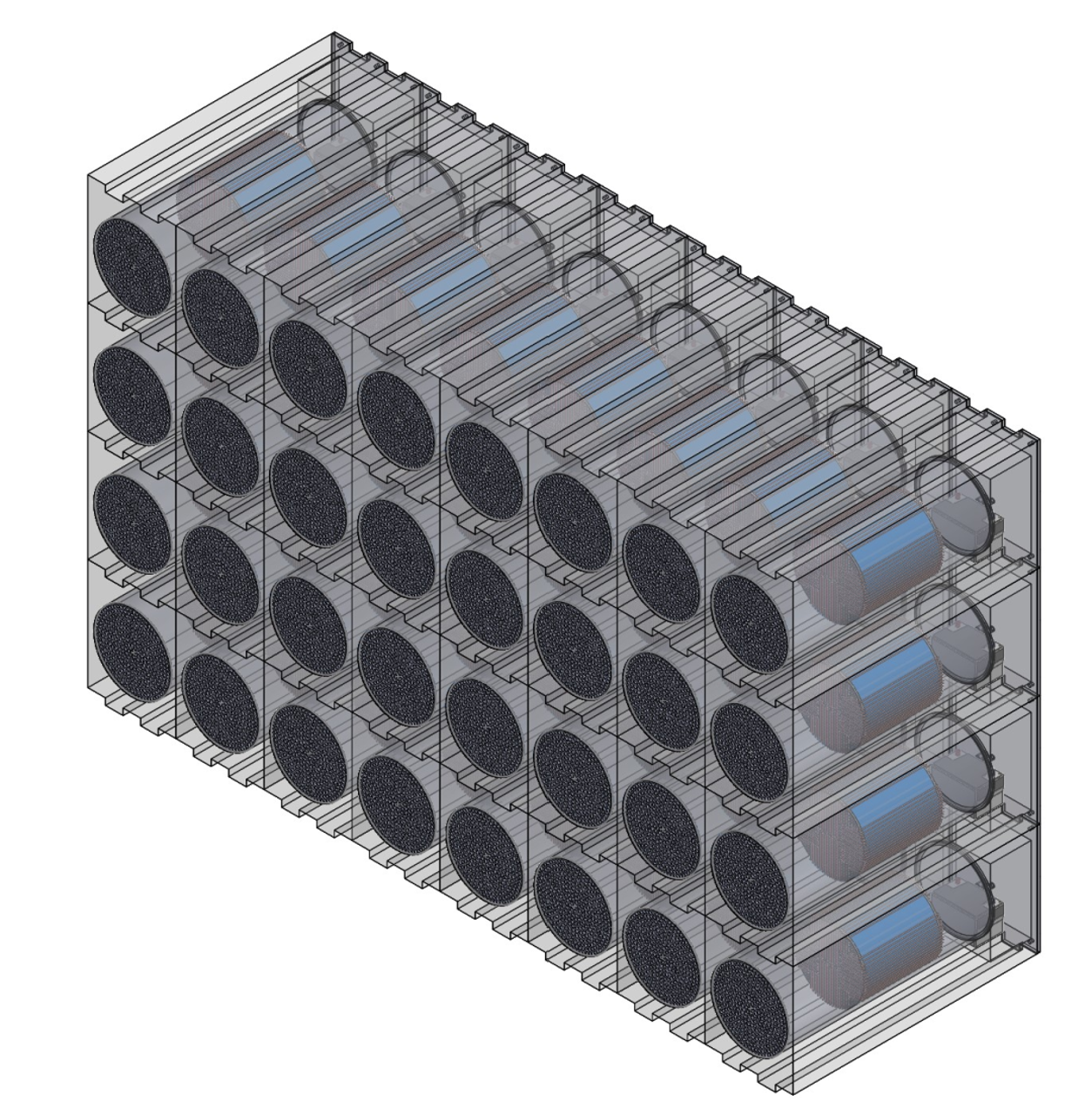
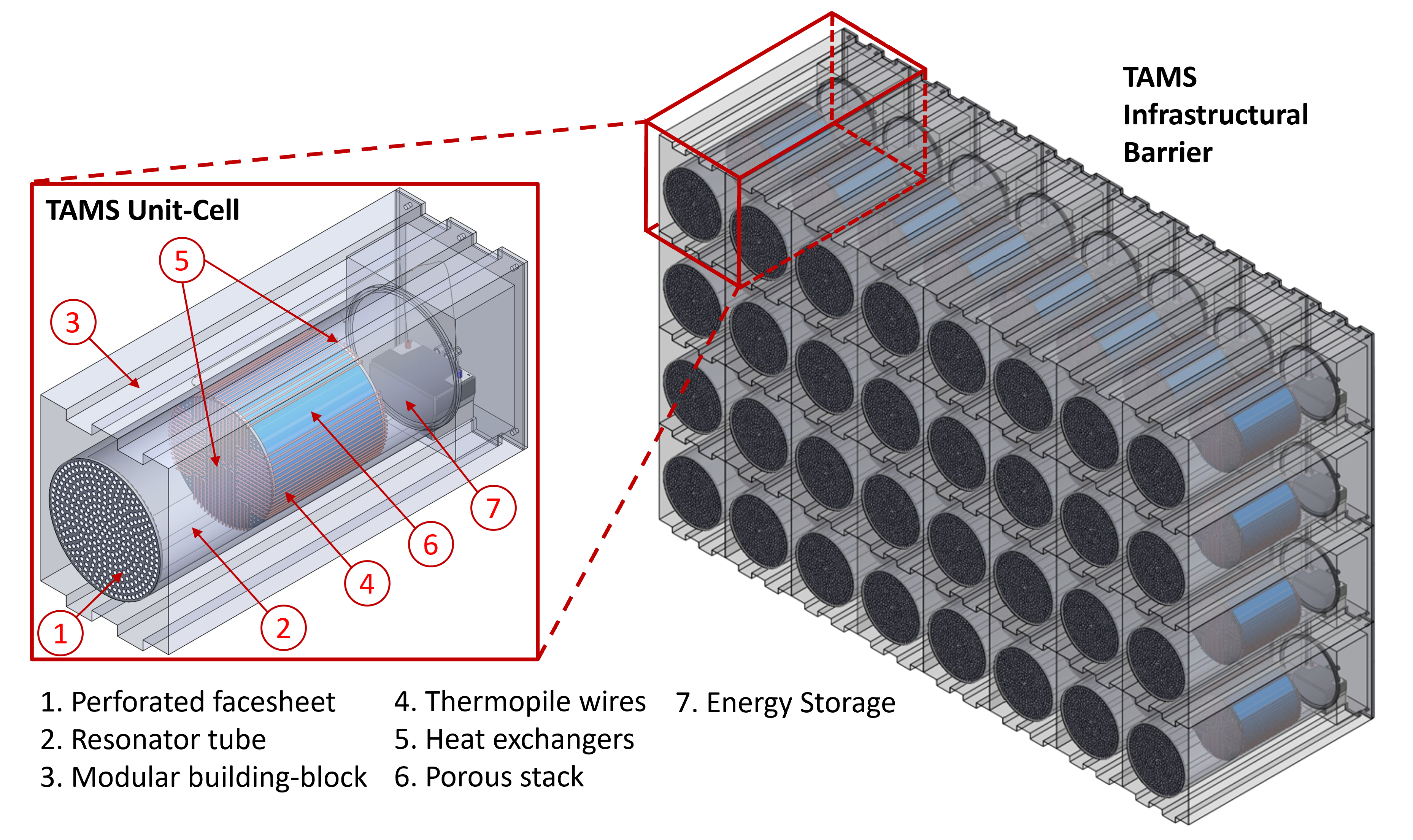
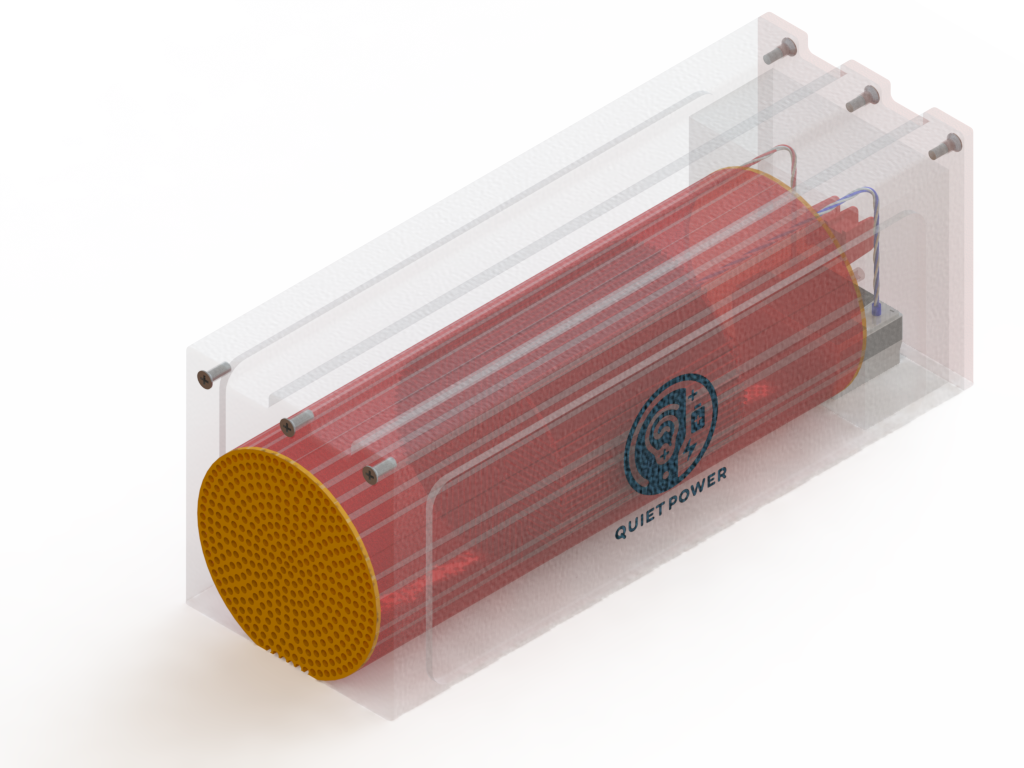
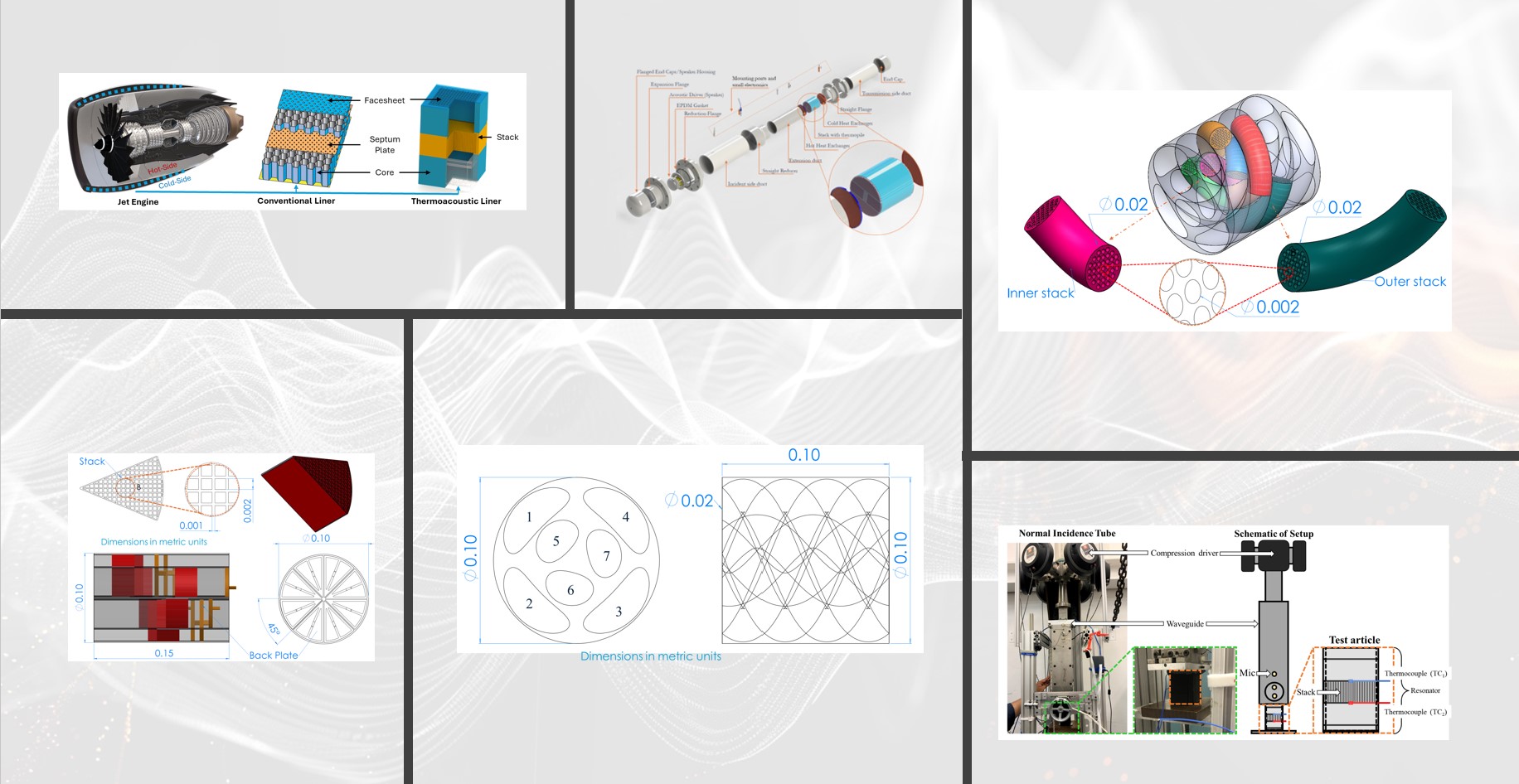
Thermoacoustic Meta-Structures (TAMS)

My PhD research represents a relentless pursuit of excellence in acoustic and thermoacoustic metamaterials—advancing sustainable and efficient energy solutions through innovative engineering.

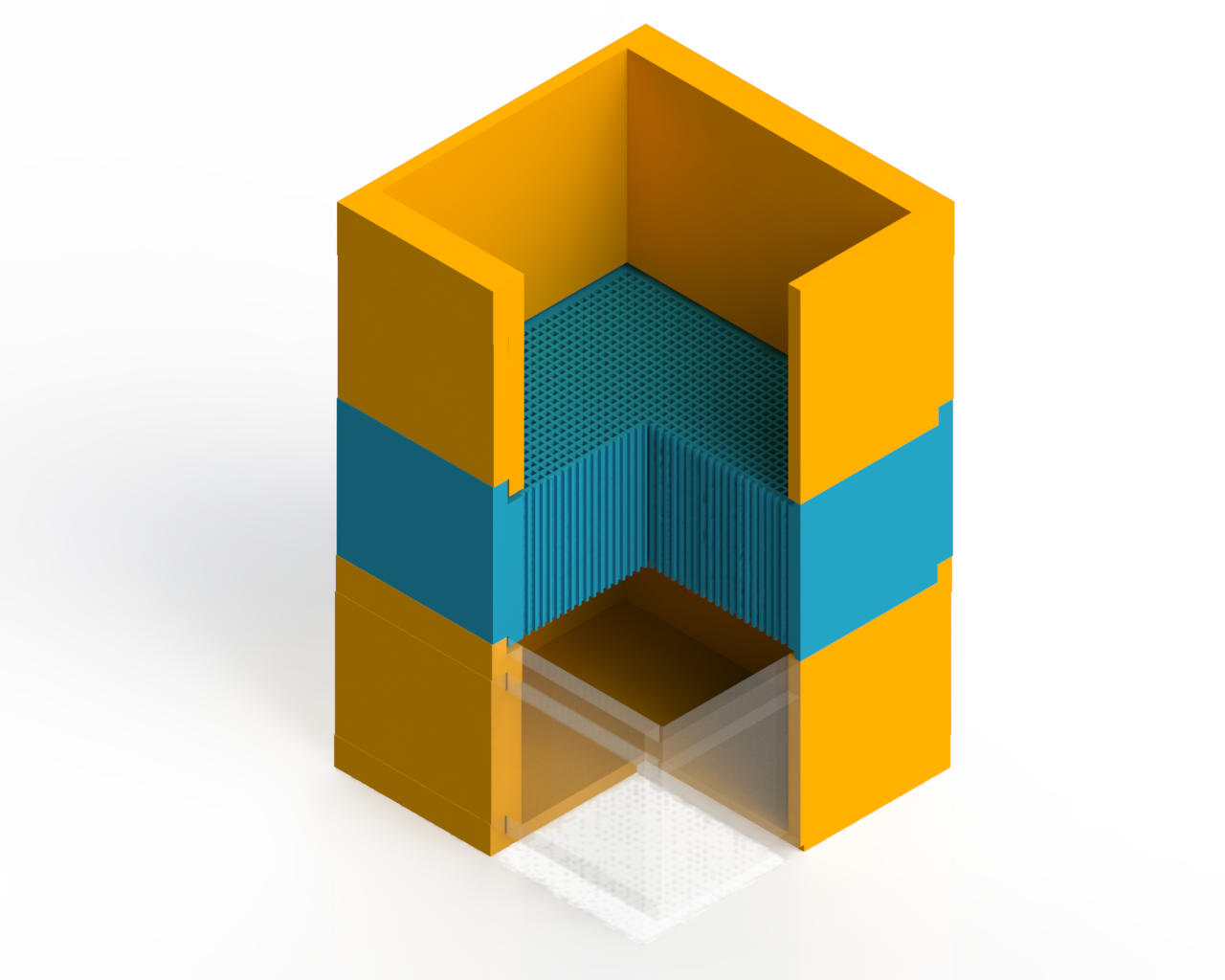
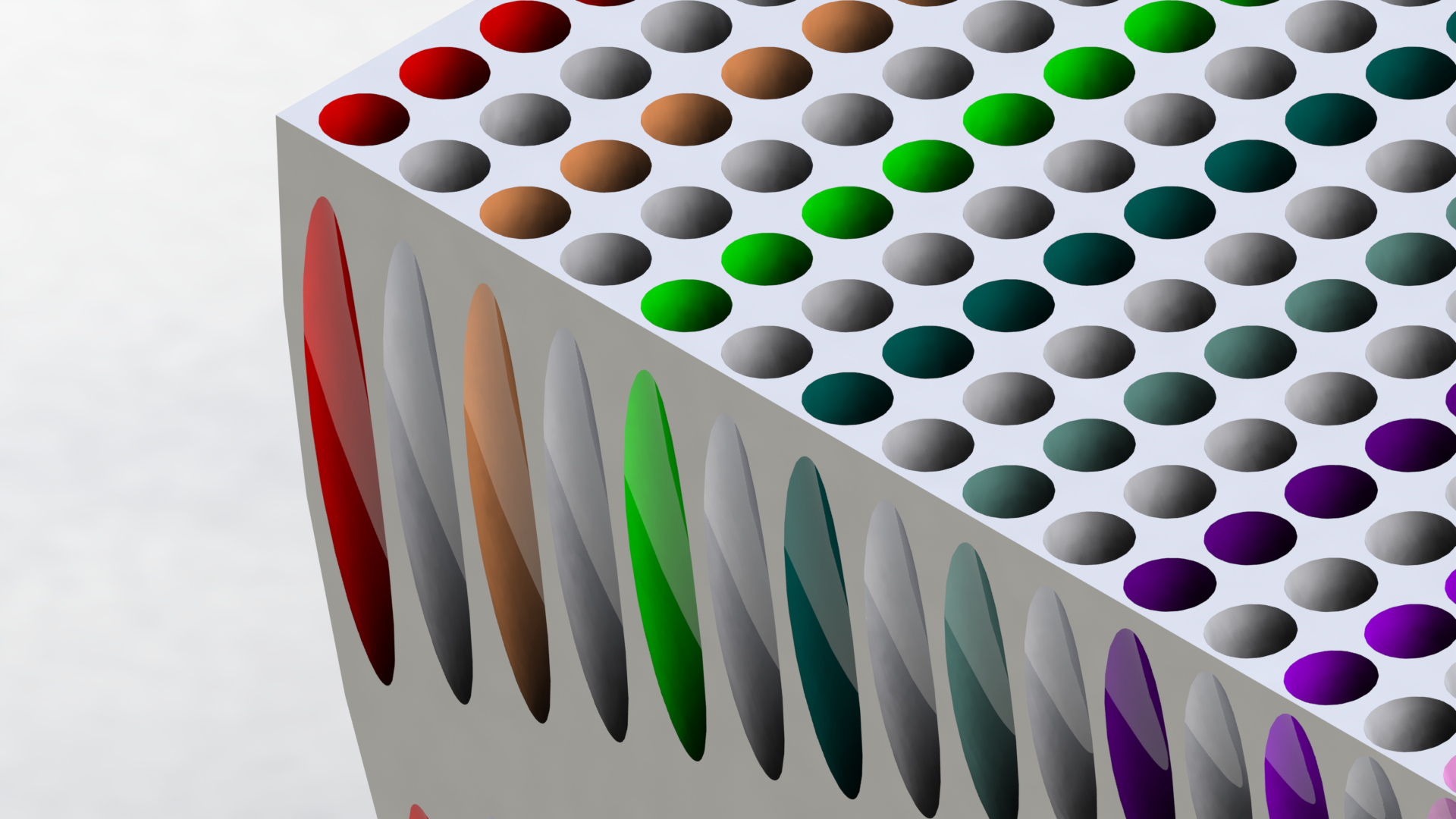
Pie Slice Resonator

Perfect marriage of form and function—highly directional acoustic propagation, optimizing energy efficiency while minimizing cross-mode interferences.

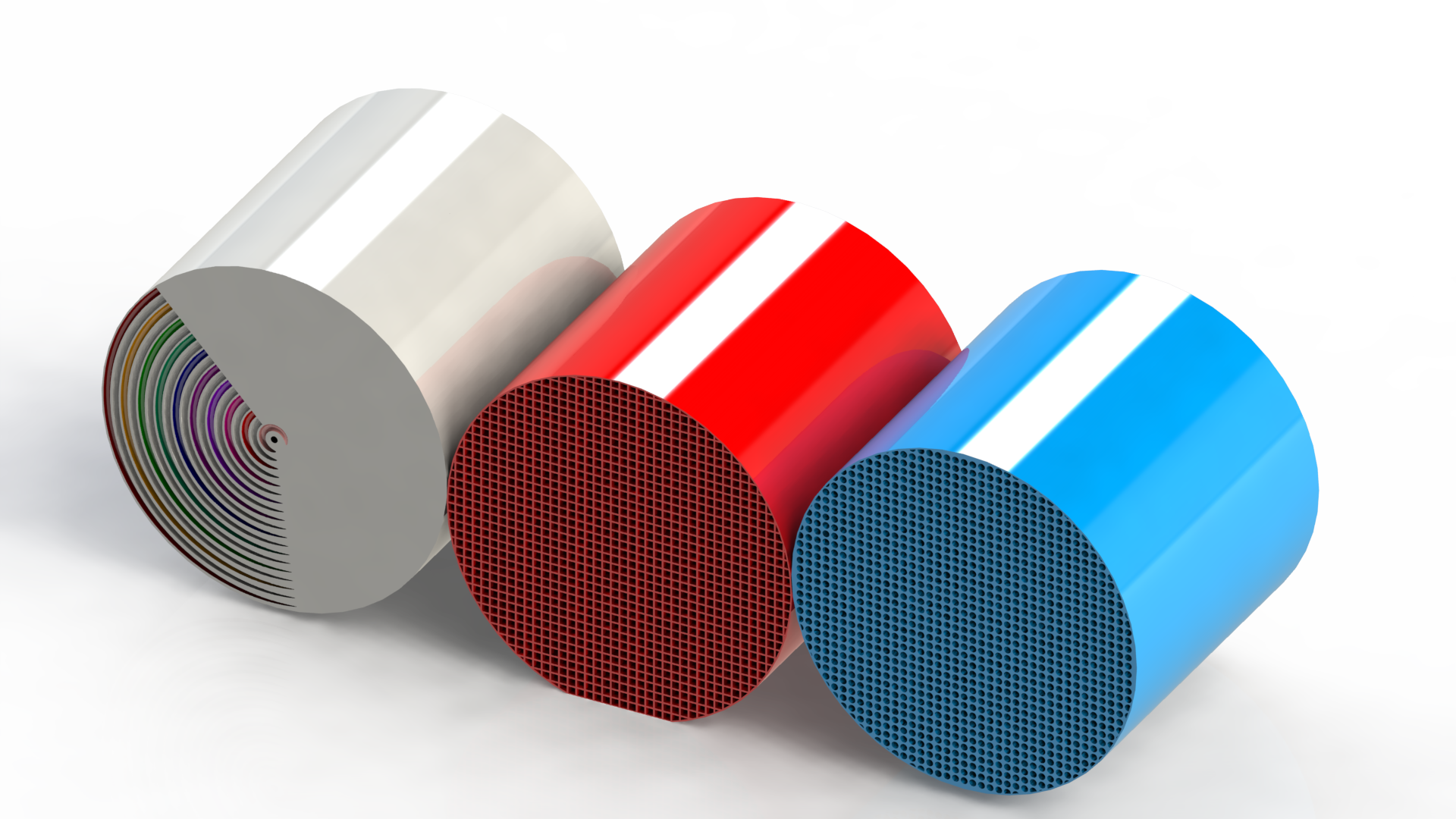
Spiral Resonator

Grace and power of continuous curvature—helical pathways excel in uniform distribution of acoustic energy with cascading reflective surfaces.

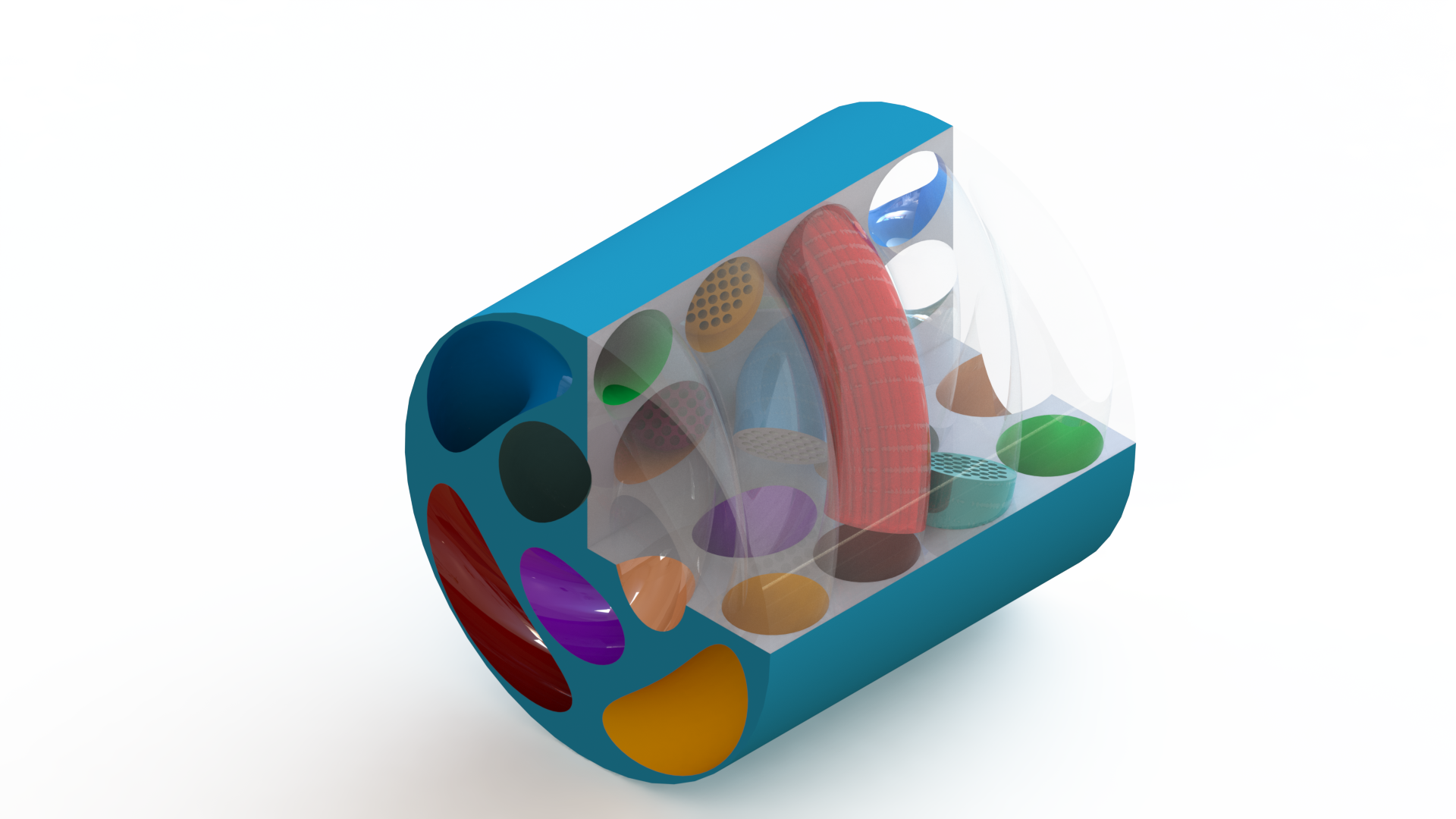
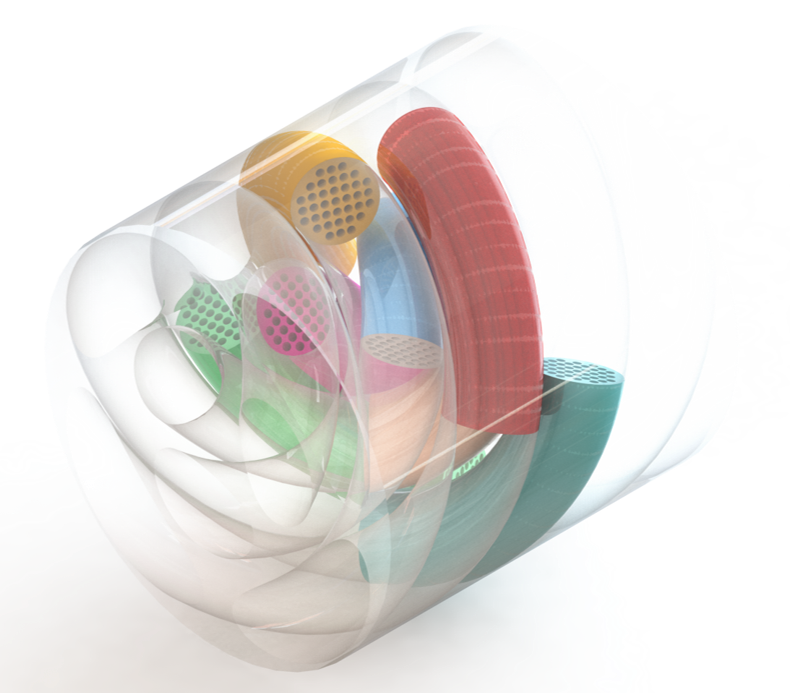
Spiral Stack

Zenith of acoustic metamaterial design—spatial compactness with spiral efficiency, enabling precise control over wave propagation and heat transfer.

Video Demonstrations

Witness the thermoacoustic technology in action—from test rigs to flow simulations.

Test Rig for Thermoacoustic Metamaterial
Thermoacoustic Metastructure
TAMS: A Vision of Innovation

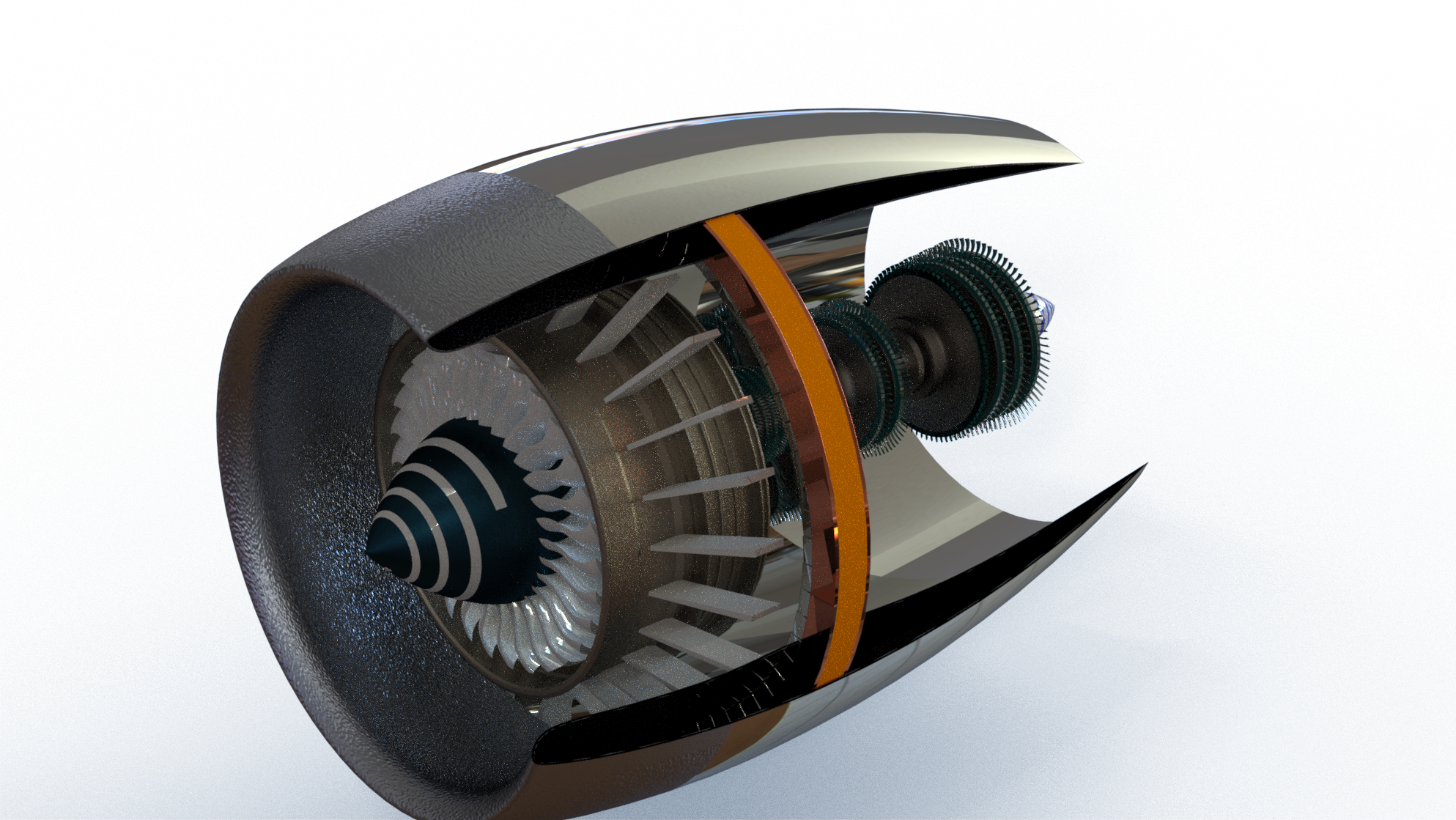
Witness how TAMS revolutionizes urban landscapes, enhances aviation by converting noise into energy, and extends to space, exploiting extreme temperature gradients for sustainable solutions.

Symphony of Energy Conversion

Experience the elegant interplay of sound and energy as sound waves transform into vibrant colors, symbolizing their conversion into thermal gradients. Heat exchangers capture temperature differences, and thermopiles turn heat into electricity—transforming ambient noise into renewable power.

Flow Simulation of the Spiral Resonator Model
View All Projects & Videos →

Articles & Interactive Visualizations

Exploring complex physics and engineering concepts through interactive documentaries and in-depth articles.

Live Interactive Documentaries

Experience these visualizations running live — click to interact or expand to fullscreen.

LIVE

The SSH Model — Topological Physics

Topological edge states and bulk-boundary correspondence

Open Fullscreen →
LIVE

Neuromorphic Computing

Brain-inspired silicon & spiking neural networks

Open Fullscreen →
LIVE

RF Module & Topological Acoustics

Wave propagation in metamaterial structures

Open Fullscreen →
LIVE

Predictive Coding

Neural prediction & error minimization

Open Fullscreen →
View All Documentaries →

Related Articles

Core Competencies

Comprehensive expertise spanning acoustic engineering, computational modeling, AI/ML, and advanced manufacturing technologies.

Acoustic Engineering

Topological AcousticsPhononic CrystalsThermoacoustic SystemsRF DevicesAcoustic MetamaterialsSound AbsorptionNoise ControlUltrasonic Testing

AI & Machine Learning

Deep LearningTensorFlowPyTorchPINNsAutomated Design OptimizationNeural NetworksReal-time Optimization

Simulation & FEA/CFD

COMSOL MultiphysicsANSYS WorkbenchANSYS FluentDeltaECMATLAB/SimulinkModal AnalysisThermal-Structural Coupling

Programming & Software

PythonMATLABC/C++LabVIEWRFORTRANSignal ProcessingData Analysis

Advanced Engineering

Energy HarvestingMEMS DesignPhase-Change MaterialsThermoelectric ConversionPiezoelectric TransducersSmart Materials

CAD/CAM & Manufacturing

SolidWorksAutoCADG-code/CNCAdditive ManufacturingFDM/SLA PrintingProcess Optimization
View Full Competencies →

Current Position

Sept 2024 — Present

Research Scientist III — AI & Acoustic Engineering

University of Arizona · NewFoS Science & Technology Center

  • AI-Driven Innovation: Lead design optimization of 2D topological phononic crystals using phase-change materials (PCM), achieving ~200 MHz operational frequency through machine learning algorithms.
  • Deep Learning Systems: Develop automated parameter prediction models for Borofloat-based metamaterials, reducing design iteration time by 75%.
  • Cross-Institutional Leadership: Collaborate with CUNY, Wayne State, Caltech, UCLA, Spelman College, University of Alaska-Fairbanks, and UC Boulder on breakthrough acoustic innovations.
View Full Experience →

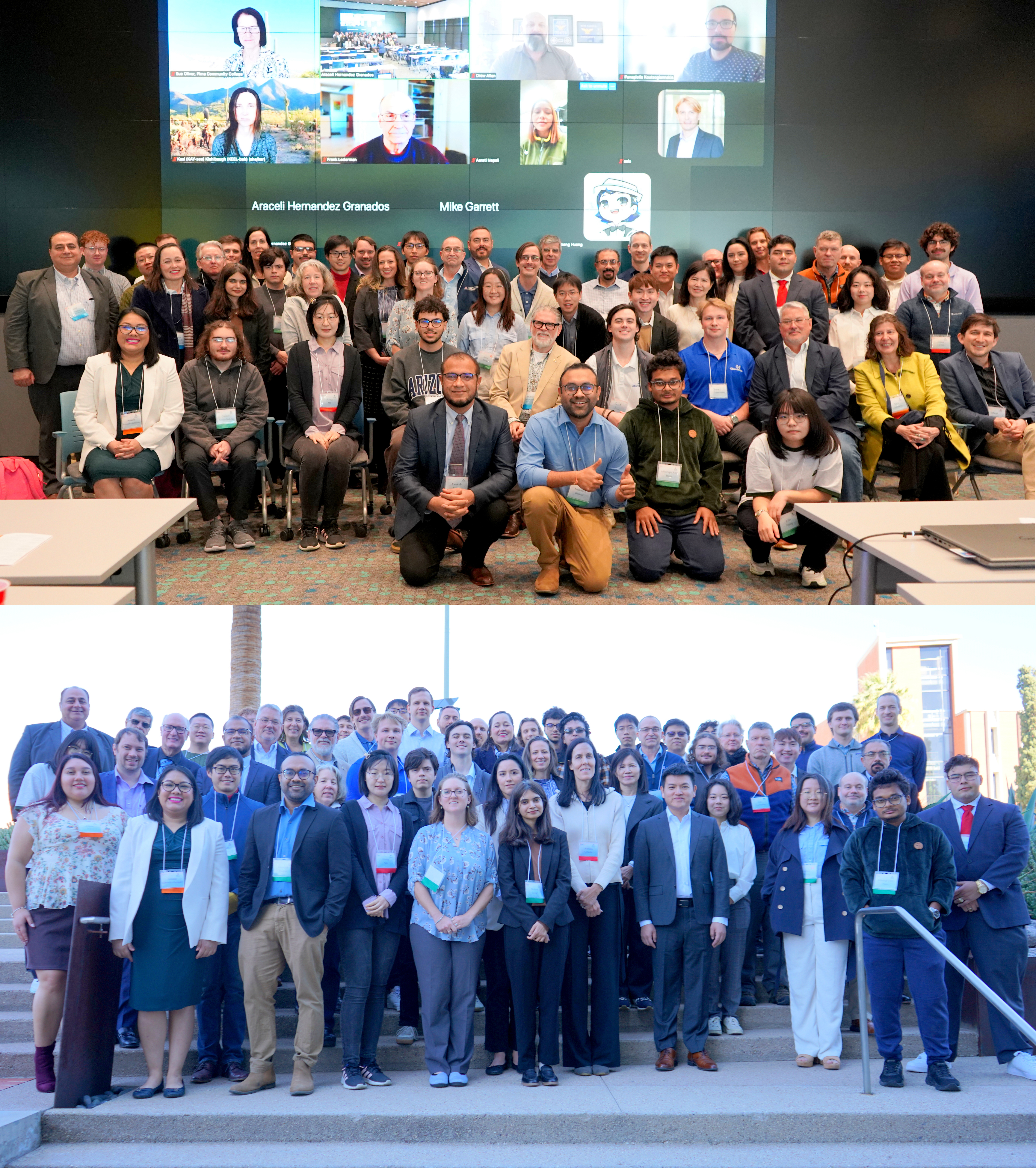
Team & Collaborations

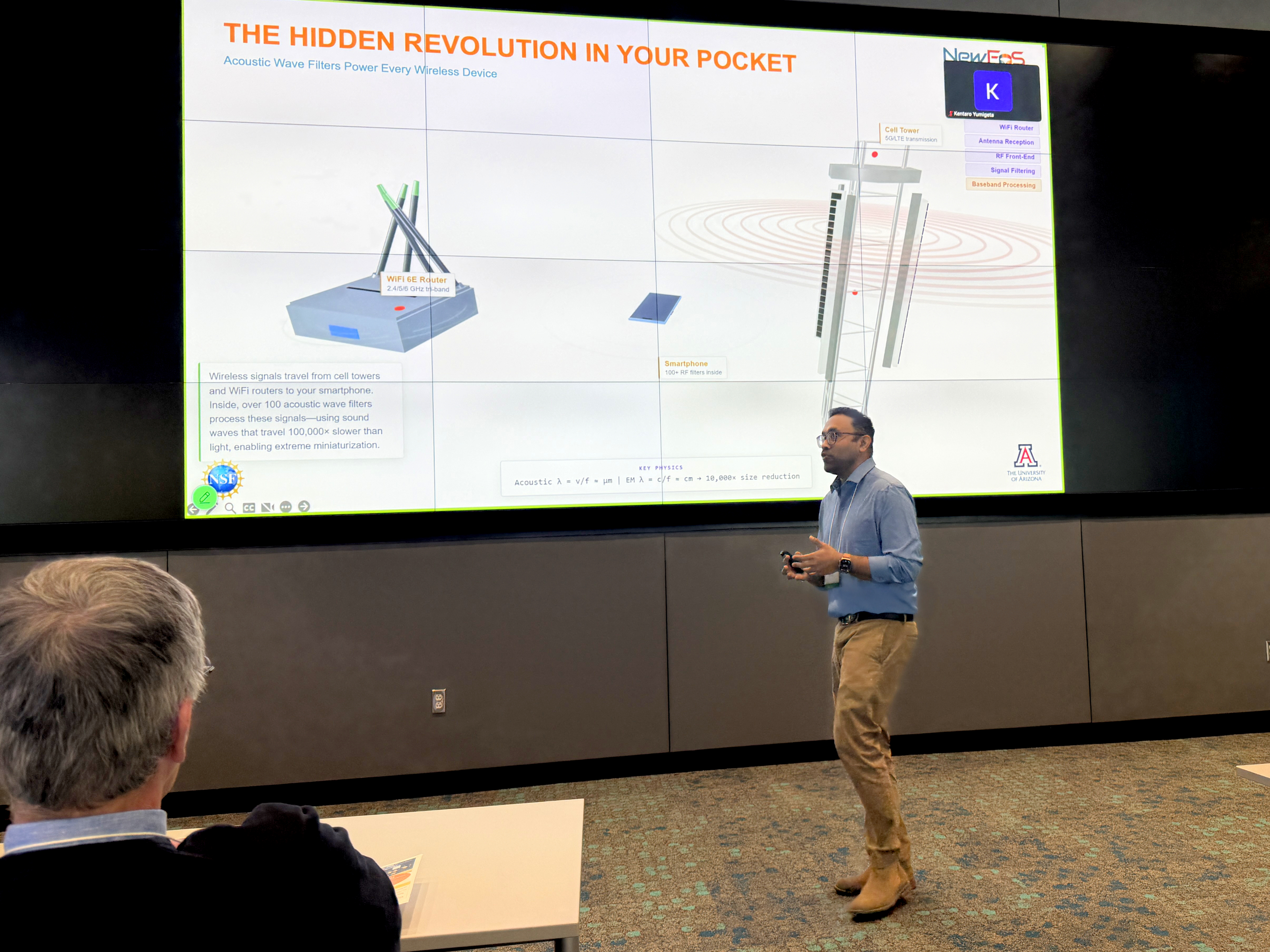
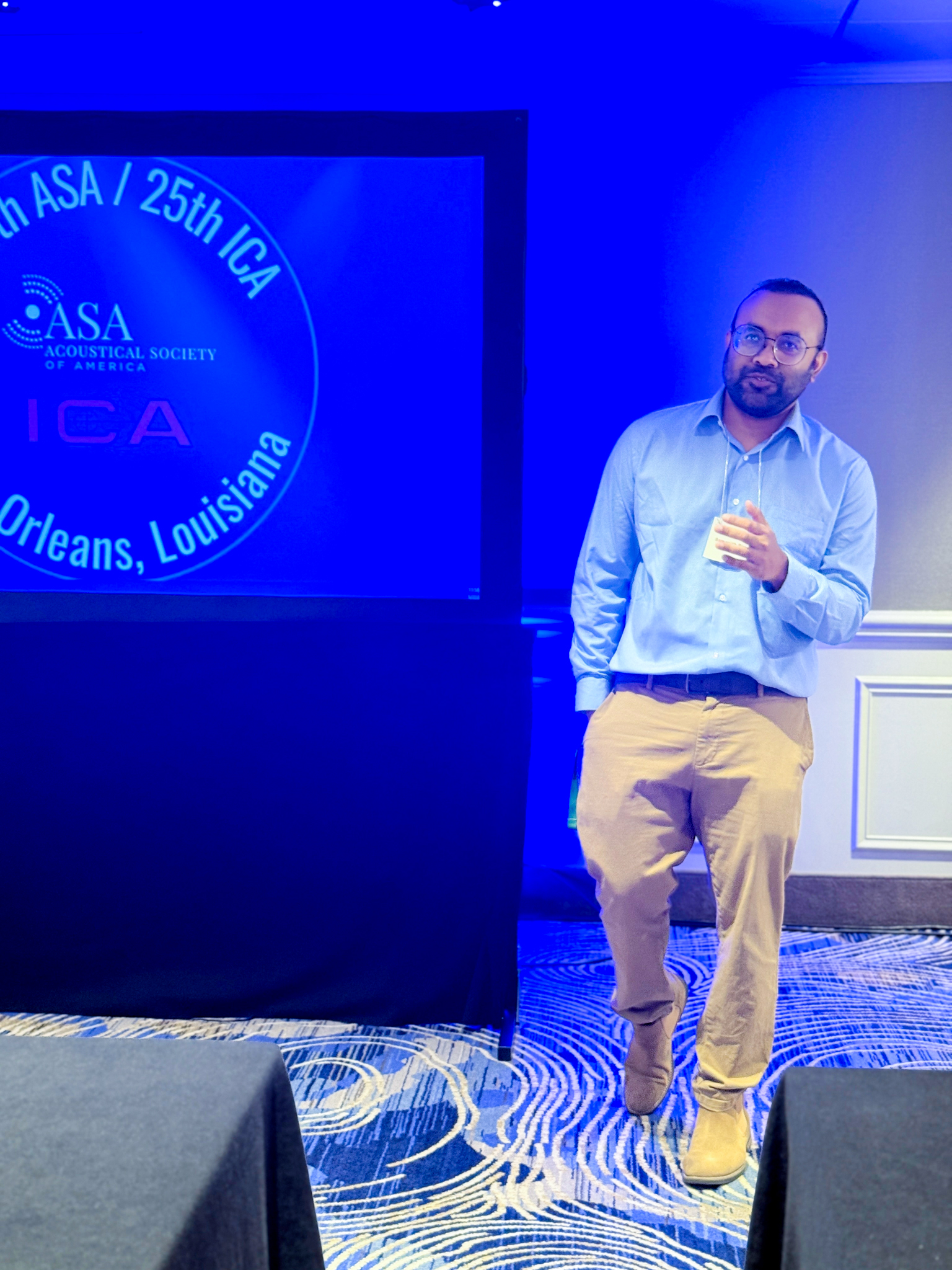
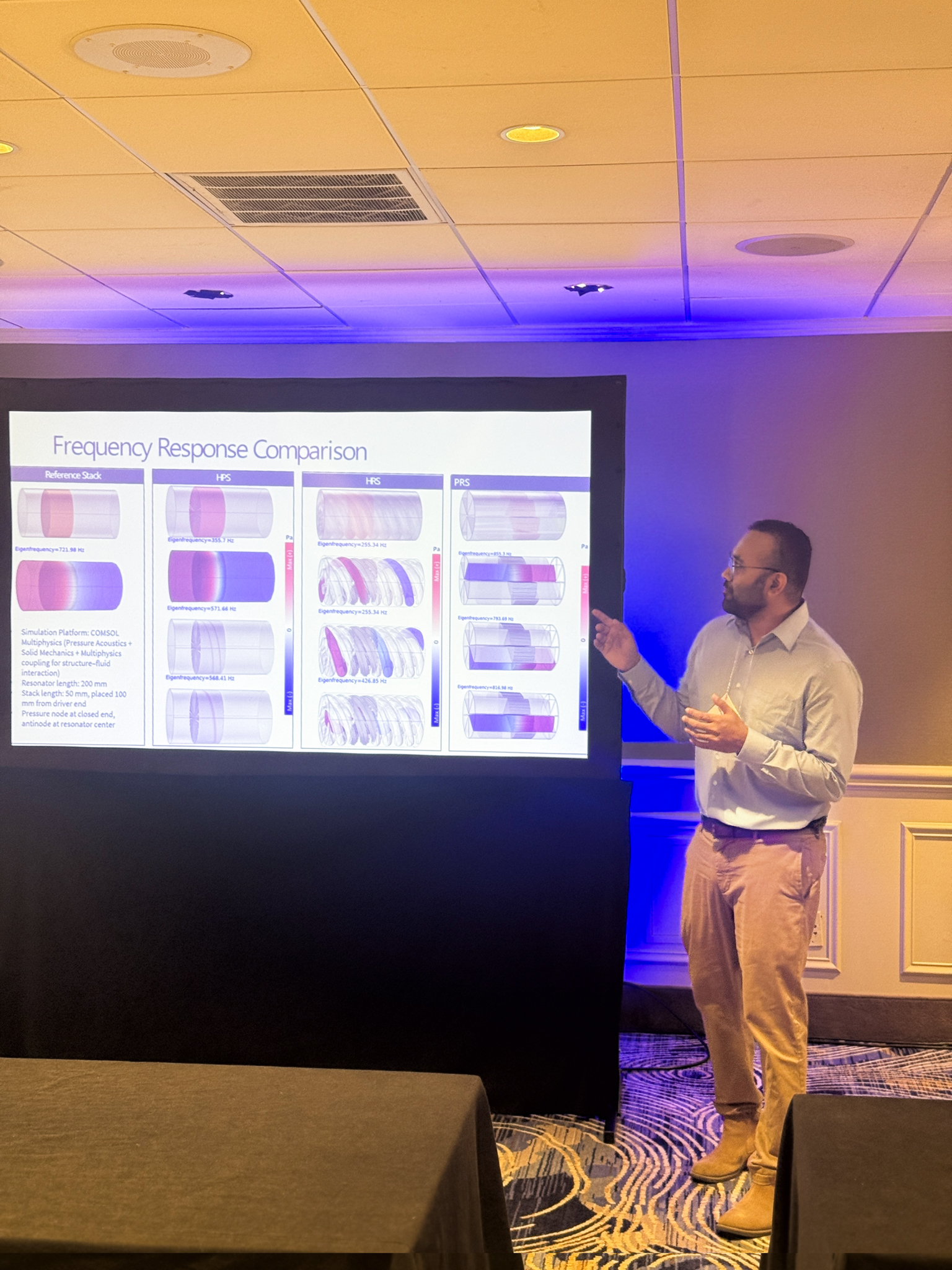
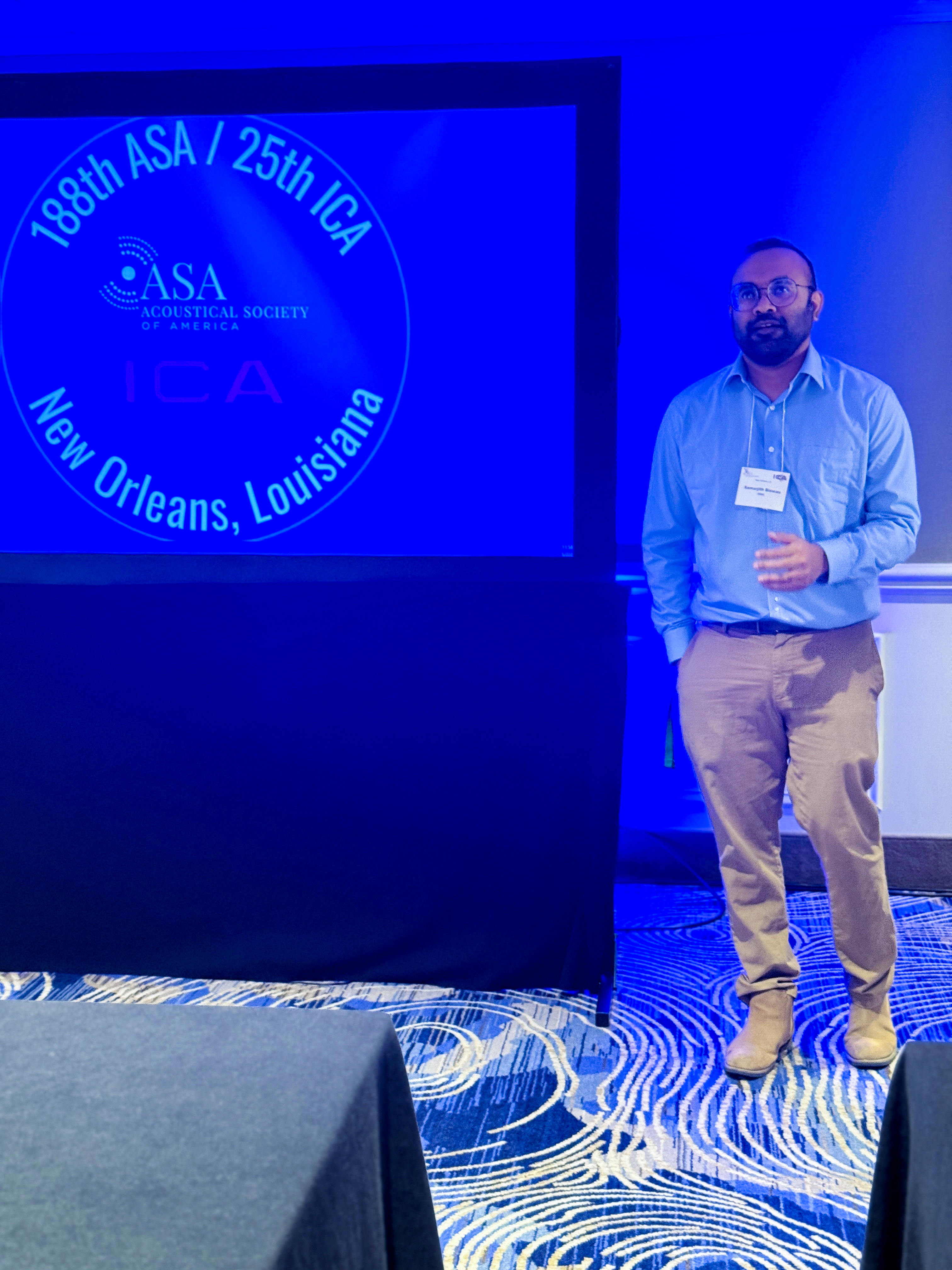
Building breakthroughs together — research team moments, conferences, and cross-institutional collaboration.

Let's Build the Future

Open to research collaborations, industry partnerships, and opportunities in topological acoustics, AI-driven metamaterial design, quantum-inspired technologies, aerospace applications, and semiconductor/telecommunications R&D.

Location Grand Challenges Research Building
Room 645
750 N Cherry Ave, Tucson AZ 85719